We specialise in the care of mice, particuarly those with complex needs.
Species We Care For
-

Mice
We take in domesticated mice, captive-born hopping mice, and orphaned wild mice.
-

Rats
We may take in domesticated rats and orphaned wild rats (non-native) on occasion.
-

Rabbits
We are no longer taking in rabbits or hares (for the indefinite future).
-

Guinea Pigs
We are no longer taking in guinea pigs (for the indefinite future).
Saving Lives, Providing Care
At OOTP, we take in animals for a wide variety of reasons, but primarily exist to meet a community need for specialty care of high-needs rodents and rabbits. We seek to provide a safety net to prevent at-risk animals from being neglected, abused, abandoned, or unnecessarily euthanised.
Once they arrive at OOTP, we provide animals with a safe environment where they are recognised as the individual that they are. Each new resident is carefully integrated into a suitable social group, if appropriate, and is provided with any additional care that they require.
Most animals we take in remain with us in sanctuary, where they get to live out the rest of their life in peace. Others will be given vital vet work and adopted out to loving homes.
We spare no expense in seeking the very best veterinary care. We have paid for tumour removals, dental surgeries, and the provision of unconventional medications. We are not a large-scale rescue. Instead, we seek to provide exceptional lifelong care and rescue-rehoming to a small number of animals.
Our areas of expertise include the care of:
Orphaned animals
Elderly animals
“Highly aggressive” and “highly fearful” animals
Large groups of mice and rats, including pregnant and nursing mothers, that result from accidental breeding
Animals suffering due to poor prior living conditions, including those with parasite infestations, skin ailments, fight wounds, heavy soiling, and malnutrition
Animals with illnesses and disabilities, including congestive heart failure, kidney disease, respiratory infection and disease, hind end paralysis, blindness and glaucoma, malocclusion and other dental issues, benign and cancerous tumours, limb and digit deformities, and more
OOTP is currently home to more than 200 residents, including mice, rats, rabbits, and native hopping mice.
-
![A mouse sits facing away from the camera in a cozy little enclosure. She is eating seeds.]()
Critical care.
-
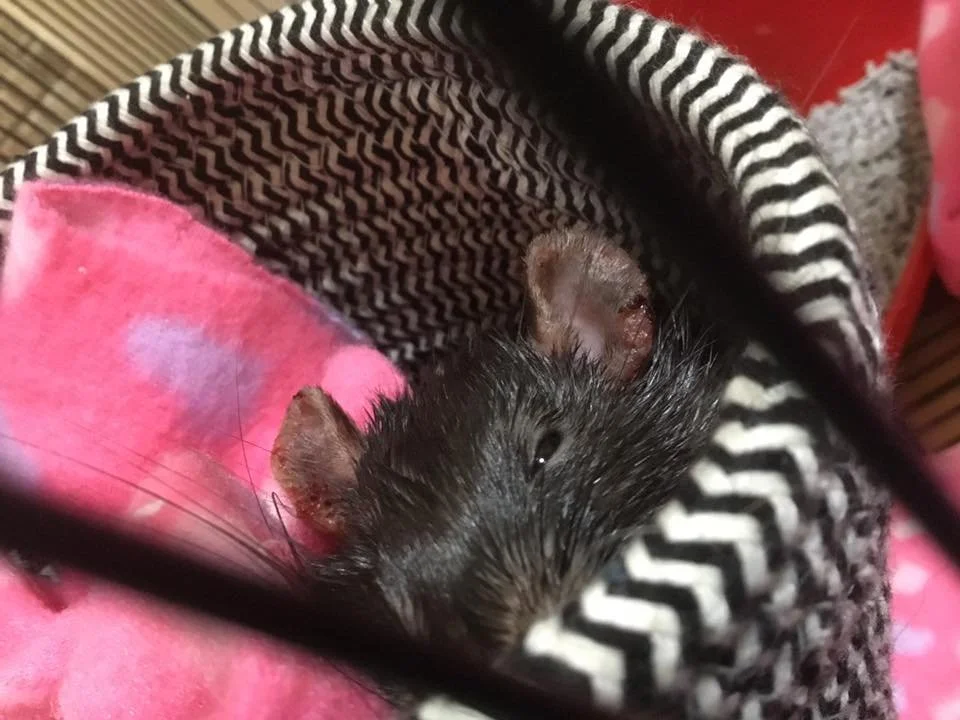
![A close up of a rat's face. He is cuddled inside a fabric bucket and has wounds on his ears.]()
Rehabilitation.
-
![A mouse is held on a human palm. One of her eyes is very small and cloudy.]()
Disability support.
-
![A fluffy mouse with no tail sits on a pink napkin. She has a large stitched-up surgical site on her side.]()
Surgical intervention.
-
![A rat with striking face markings lays on a hammock. Around her nose there is a lot of reddish mucus, and one of her eyes is larger than the other.]()
Unconventional treatments.
-
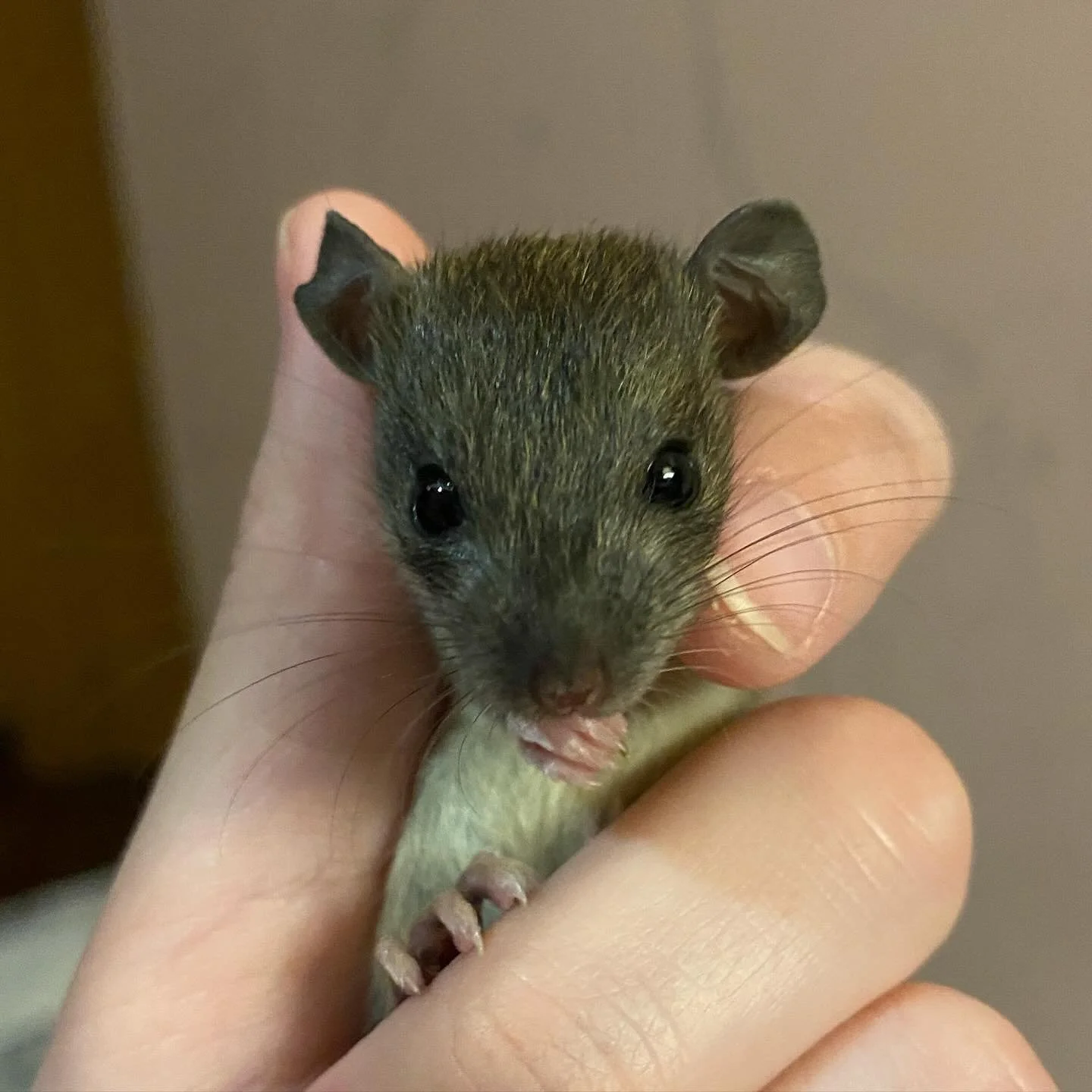
![A baby rat is held upright in a human hand.]()
Orphan rearing.
-
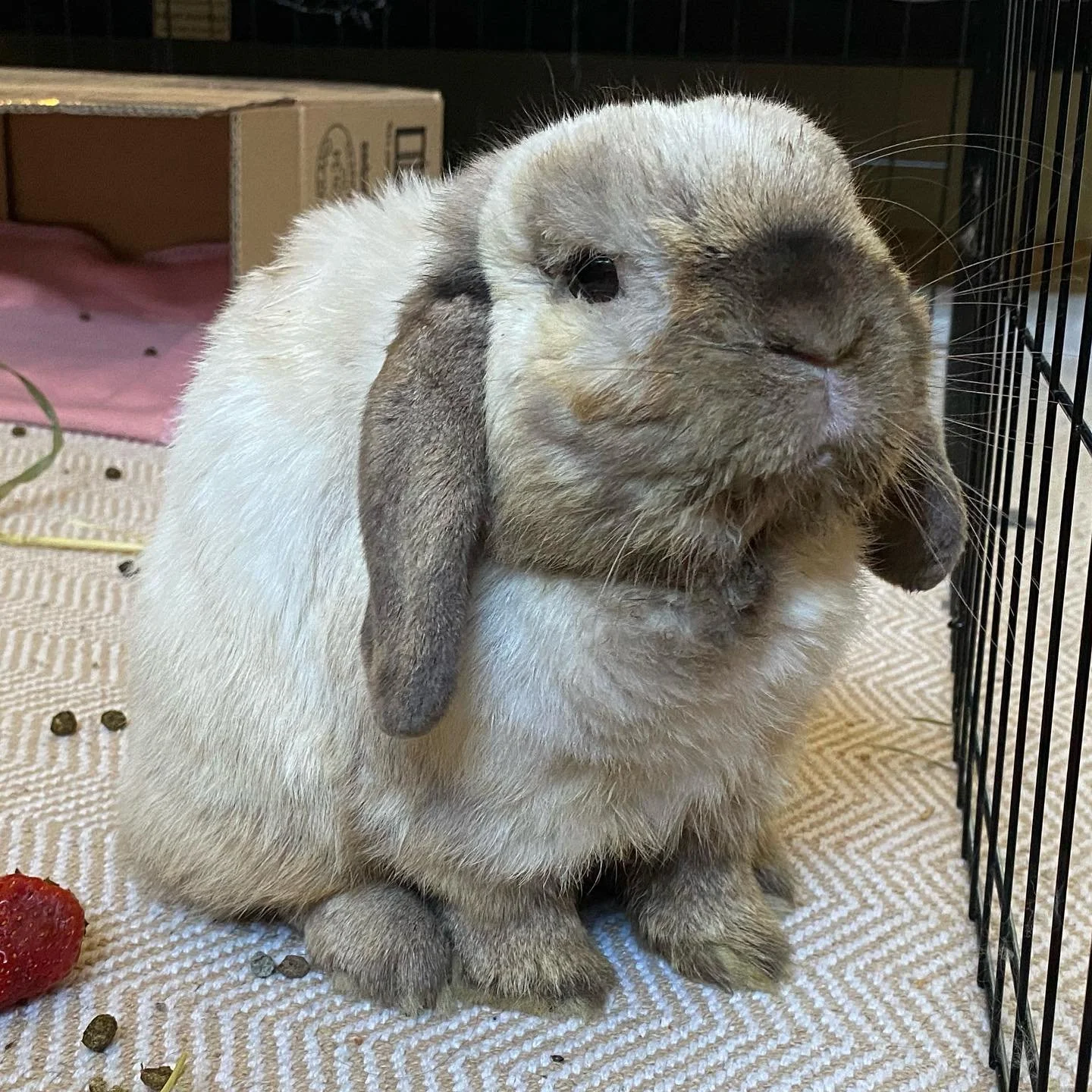
![A small rabbit with floppy ears sits next to a strawberry. Around his eye is shaved.]()
Complete commitment.
-
![12 mice of different colours and patterns sit in a carrier.]()
Mass rescues.
-
![]()
Rescue collaboration.